The Definitive Guide To Detroit For Design Lovers
A guide to Detroit’s living design culture—where industrial legacy, creative community, and everyday innovation collide block by block.
Content from Forbes Article by Natalie Stoclet Published September 29, 2025
"Charles and Ray Eames got their start here. Florence Knoll too. For much of the twentieth century, Detroit was America’s workshop—cars rolling off the line, Motown cut to vinyl, furniture that would define an era sketched in classrooms at Cranbrook and College for Creative Studies. That was the Detroit of yesteryear.
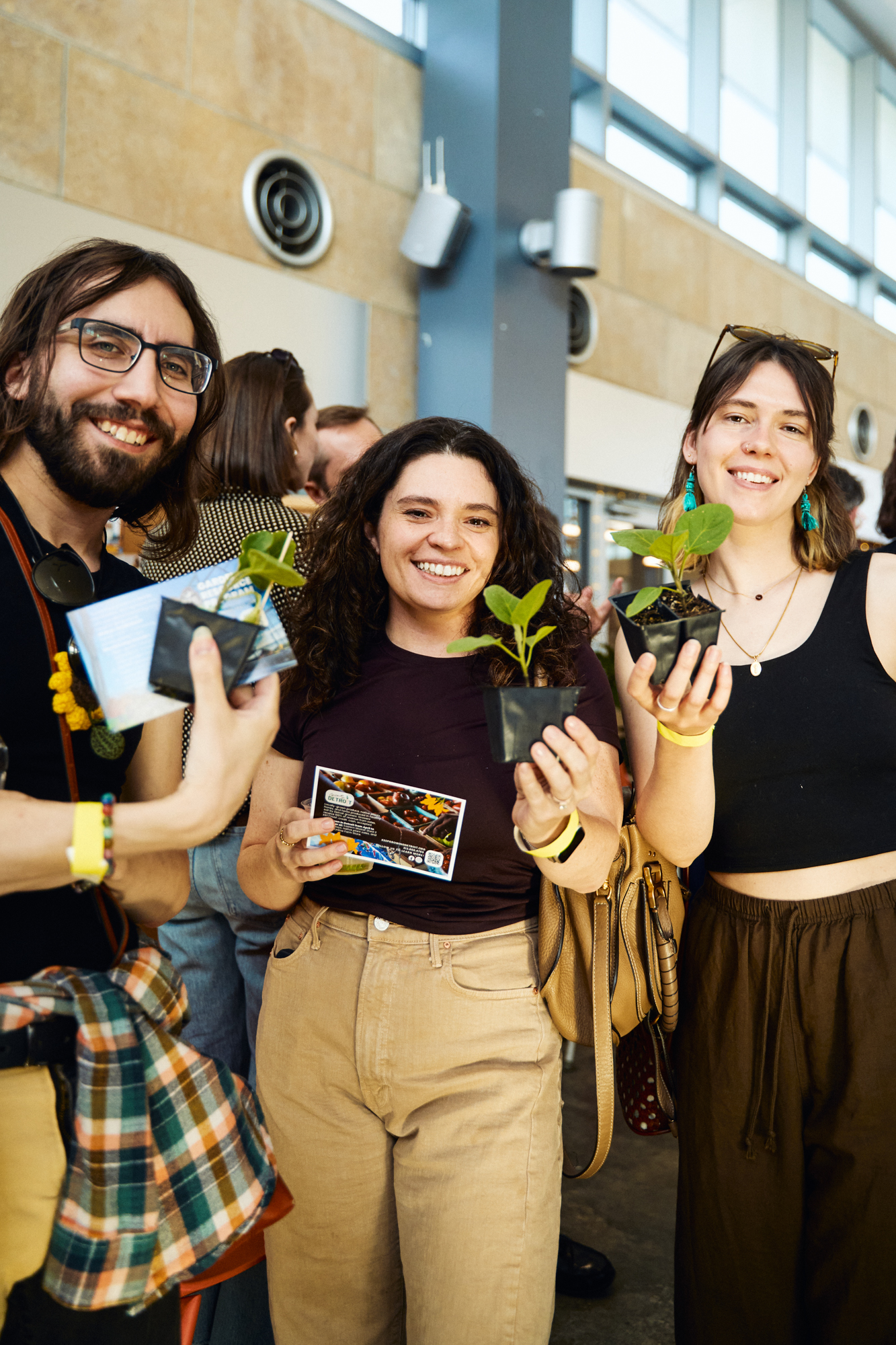
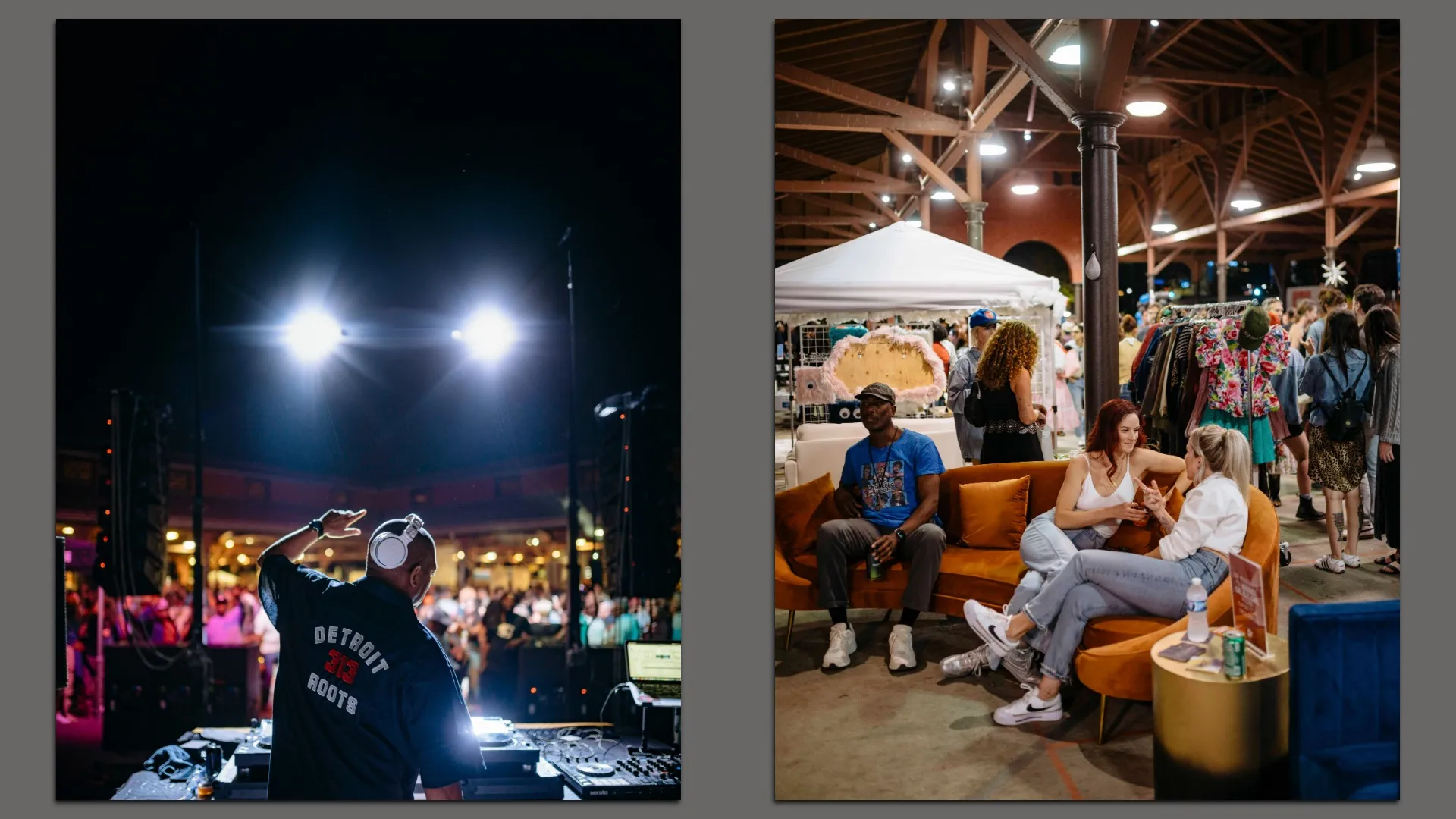
Today the city wears a new badge. In 2015 it became the first and only UNESCO City of Design in the United States, recognition of a place where design has always been part of the backbone. Every September during Detroit Month of Design those roots spill into the streets—block parties lighting up alleys, warehouse studios alive with talent, galleries that feel more like community platforms than white cubes. It’s not glossy, not overproduced.
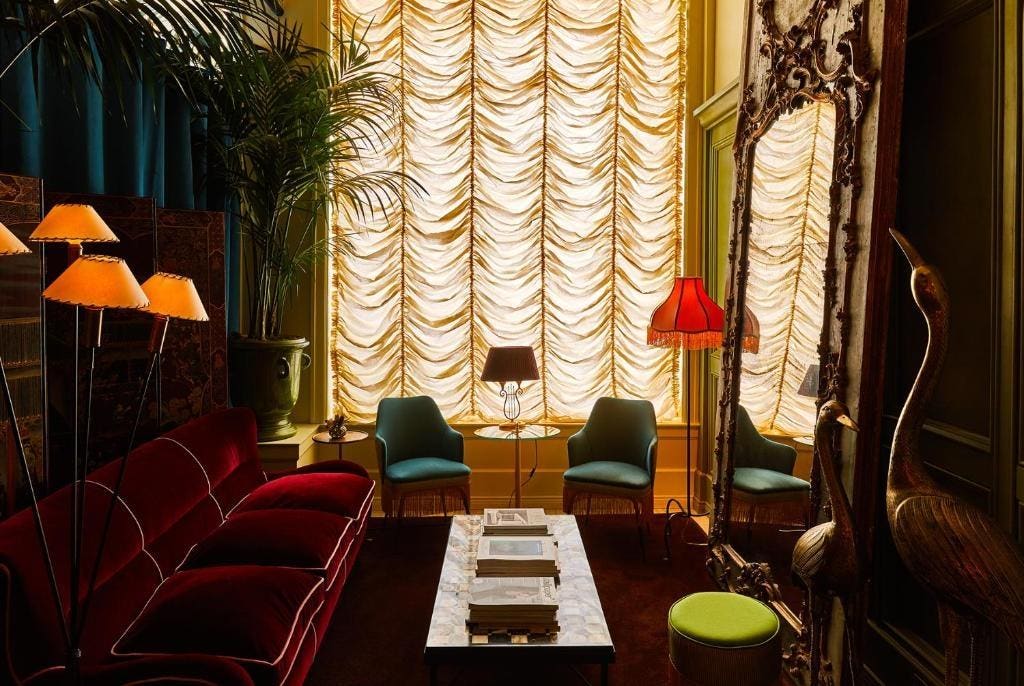
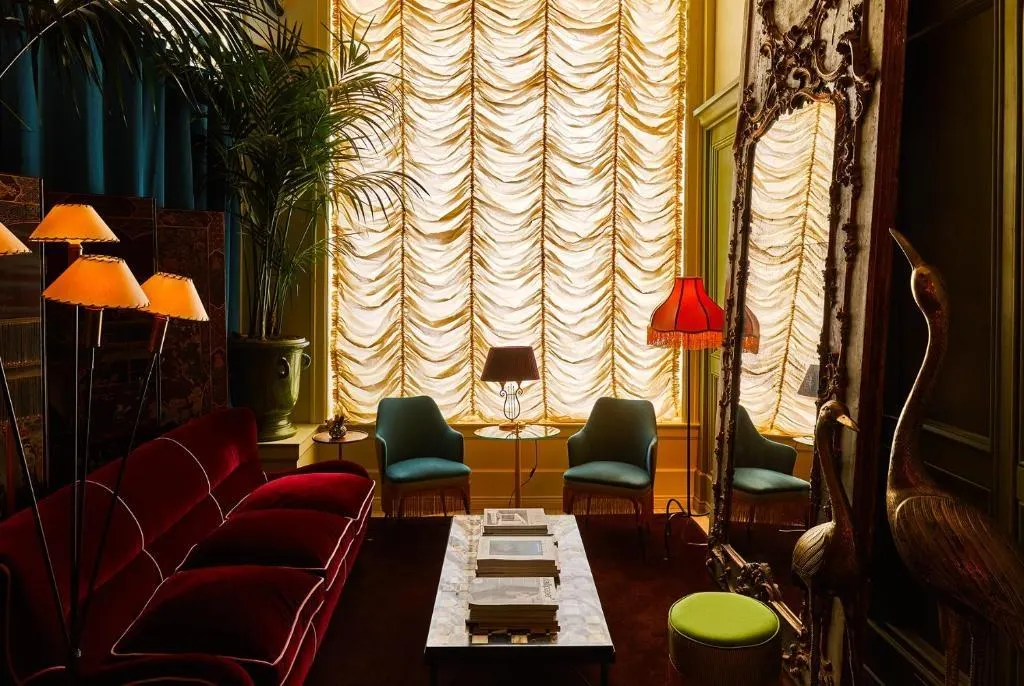
When I arrived for the first time and my Uber pulled up to The Siren hotel just after midnight, a crowd was buzzing by the bar next door. Hip hop was humming. Inside, the lobby was dark and sultry, adorned in red velvet and low lighting, and from my window upstairs I could see the glow of the Music Hall sign, the opera house, the stadiums, a city still wide awake.
This guide is a way into that world. Places to stay, eat, drink, and see Detroit’s design legacy in motion. With each stop, they sketch a city that is reinventing itself one block at a time.
Stay
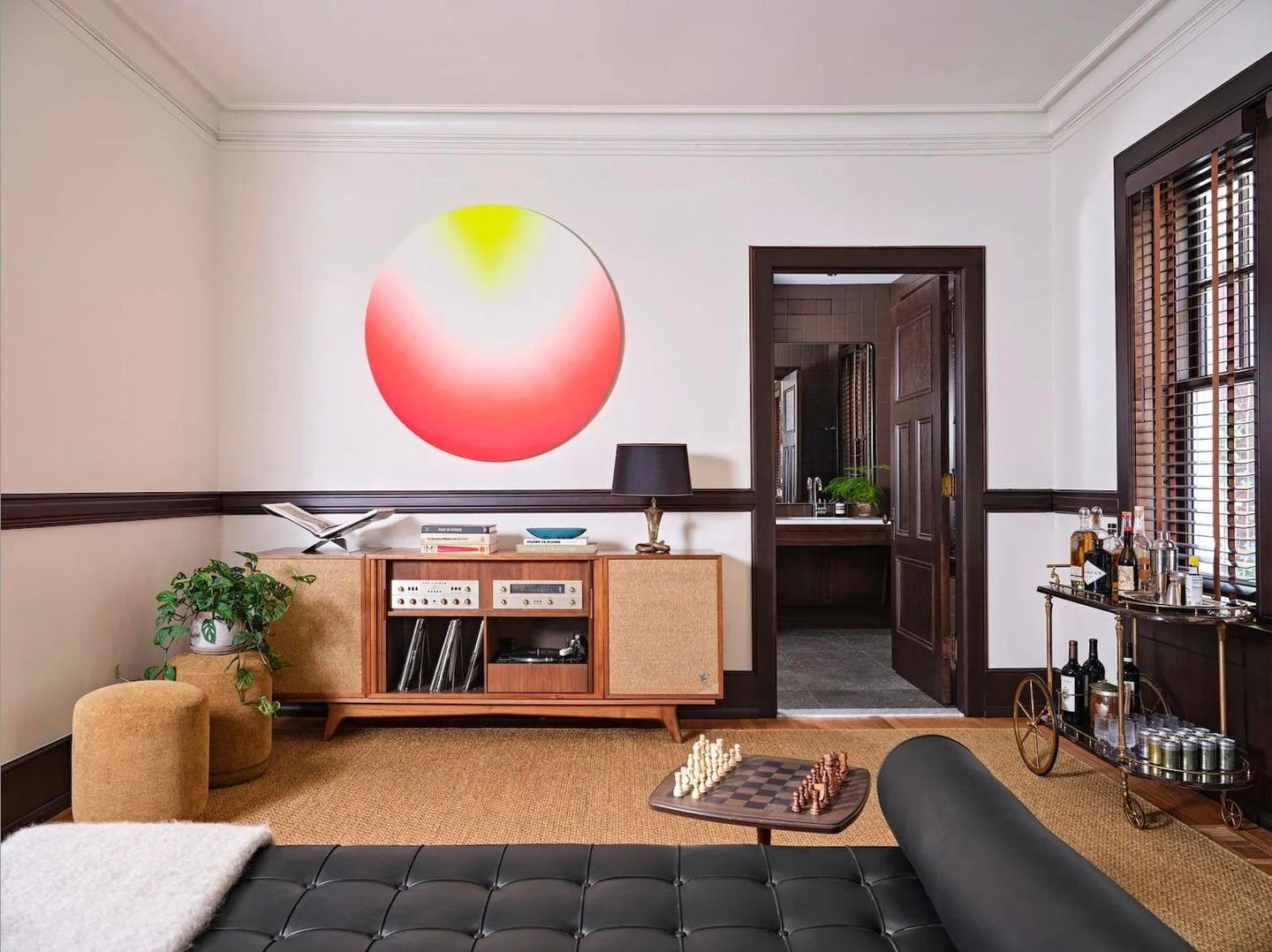
Each of Detroit’s hotels tell a different version of the city’s story. The Siren, with its Italian Renaissance-style furnishings and late-night bar crowd, feels like stepping into a film. A few blocks away, the Shinola Hotel leans into Detroit’s craft legacy, tying the brand’s clean aesthetic to the city’s industrial past. For smaller, more intimate stays, ALEO and the 1 Room Hotel are the kind of places that feel like secrets, while the Detroit Foundation Hotel, once the fire department headquarters, wears its civic bones with pride. Newer arrivals like ROOST and the restored David Whitney bring a polished downtown sheen to the scene.
Eat
Detroit’s food scene reflects one of the most diverse immigrant populations in the Midwest, which is why you’ll find coney dogs, Yemeni coffee, and Mexican fine-dining in the same neighborhood. You’ll find Italian eats at Supino Pizzeria, an Eastern Market staple, while Norm’s and O.W.L. keep American diner culture alive. Flowers of Vietnam transformed a neighborhood spot into one of the city’s most inventive kitchens, and El Barzon still surprises with its Mexican-Italian mashup. Newer players like Father Forgive Me and BARDA show the range of contemporary Detroit dining—open-fire cooking at the latter, playful plates at the former. Warda, Forest Bakery and Sister Pie are locally-loved bakeries that draw lines around the block, while Baobab Fare, La Pecora Nera, Vecino, and Puma add layers of global flavors with Detroit soul.
Drink
Nightlife here has a little something for everyone. Candy Bar, hidden in The Siren, glows pink and cinematic with a swirling disco ball, while Sugar House helped pioneer Detroit’s cocktail revival. Bad Luck Bar keeps things dark and mysterious, and Sid Gold’s Request Room is where you end up singing piano karaoke at 2 a.m. Wine lovers drift between Ladder 4, Chenin, and Stadt Garden, while Vesper Books & Wine blends literature and bottles in one room. Easy Peasy and Collect Beer Bar round out the city’s more laid-back options. Detroit after dark feels both familiar and surprising, a mix of neighborhood watering holes, unpretentious bars, and hidden hangouts.
See
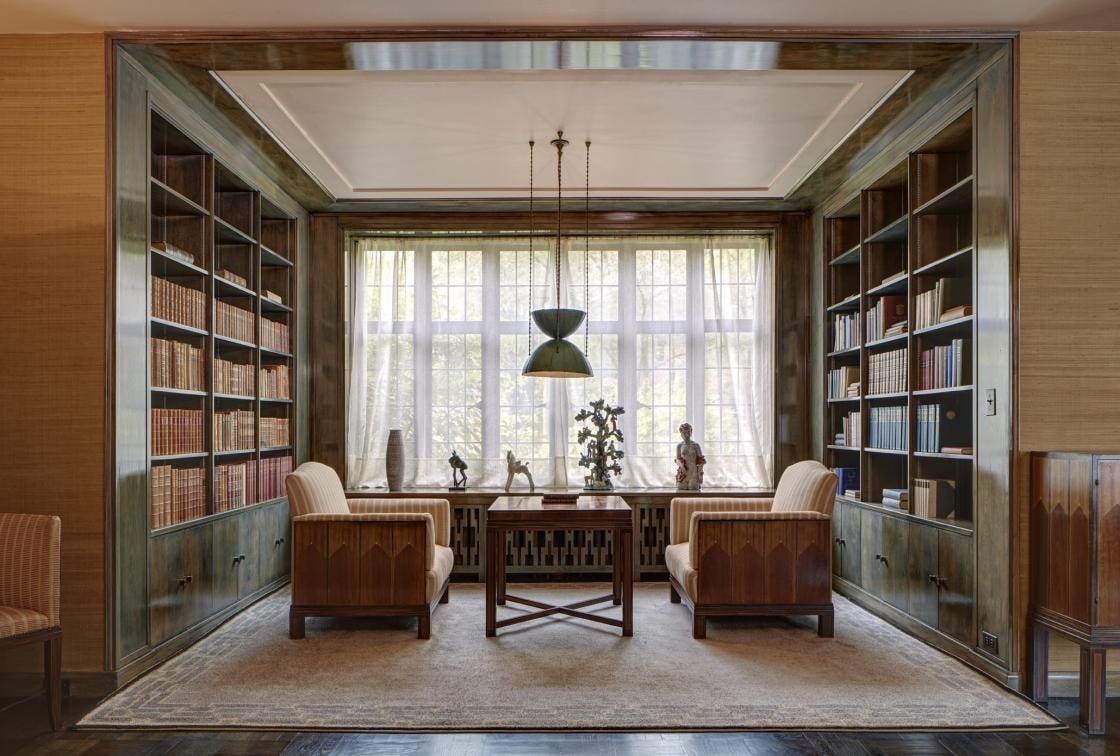
Detroit’s design story is written in its buildings as much as in its factories. The Guardian Building’s technicolor tiles will stop you in your tracks, a 1929 art deco masterpiece built as a “Cathedral of Finance.” The Belle Isle Conservatory, designed by Albert Kahn in 1904, is one of the country’s oldest glass houses, its dome still rising above the island park. Downtown, the Horace E. Dodge Fountain—designed in 1978 by Isamu Noguchi—remains a bold gesture of civic art, a steel halo set in granite. At Cranbrook, the Saarinen House anchors the city’s modernist legacy, while Frank Lloyd Wright left behind the Palmer and Smith houses. The Henry Ford Estate, with its Tudor revival lines and gardens, shows how the titans of industry lived when they stepped away from the factory.
Design Core Detroit, the nonprofit behind the UNESCO designation, has since expanded that mission—running programs that connect designers to small businesses, shaping city policy, and staging Detroit Month of Design every September. The city’s momentum has sparked a wave of adaptive reuse, visible in spaces like The Shepherd, PASC, I.M. Weiss, Signal Return, and Matéria—former churches, factories, homes and print shops reimagined as cultural platforms. And there are the cultural anchors no visitor skips: Hitsville U.S.A., birthplace of Motown, and Orchestra Hall, where the Detroit Symphony plays in one of the most finely tuned concert halls in the country.
Shop
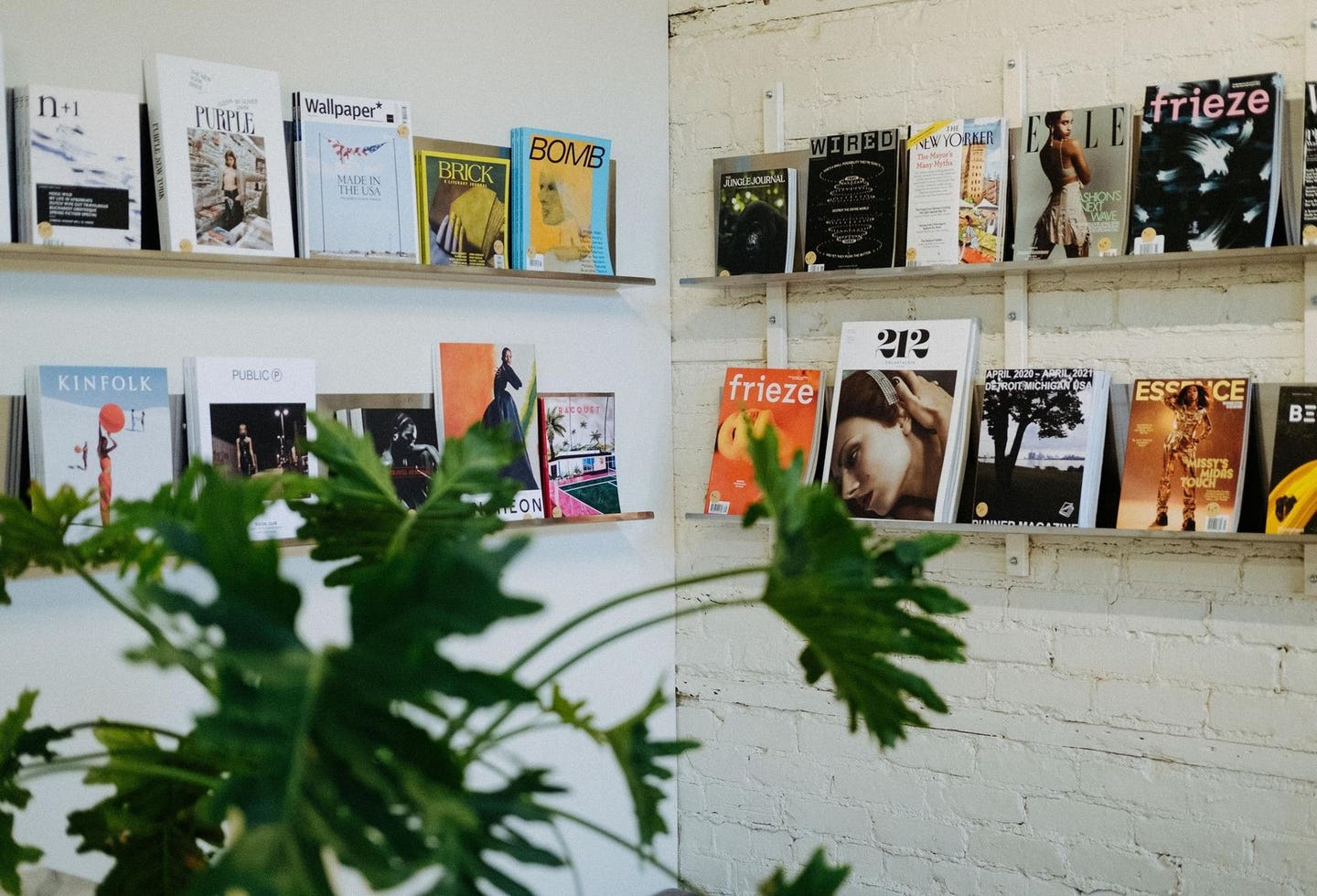
Stores here double as cultural spaces. Periodicals curates the kind of magazines you usually have to hunt down in Tokyo or Berlin, and Paramita Sound spins vinyl for collectors and casual browsers alike. John K. King is an entire ecosystem of used books, while BORO, Catalogue and ARCHIVE by Eugenie push Detroit’s style forward with looks from the past. Industrial Sewing and Innovation Center and the Carhartt Workshop, function as design studios and manufacturers as much as storefronts, blurring fashion with community space and education.
Detroit has always worn its talent proudly. You see it in the factories, in velvet lobbies, in storefronts that double as studios. The UNESCO designation only confirmed what was already true: design is part of the city’s DNA, as present in a block party during Month of Design as it is in the Guardian’s vaulted ceiling. Spend a few days here and you start to see how the old and the new sit side by side—Motown and techno, Cranbrook and Core City, diners and fine dining. Detroit’s design culture isn’t a museum piece. It’s alive and always in motion."
More Insights


.png)